What Small Businesses and Taxpayers Should Watch in the 2026 Lame-Duck Session
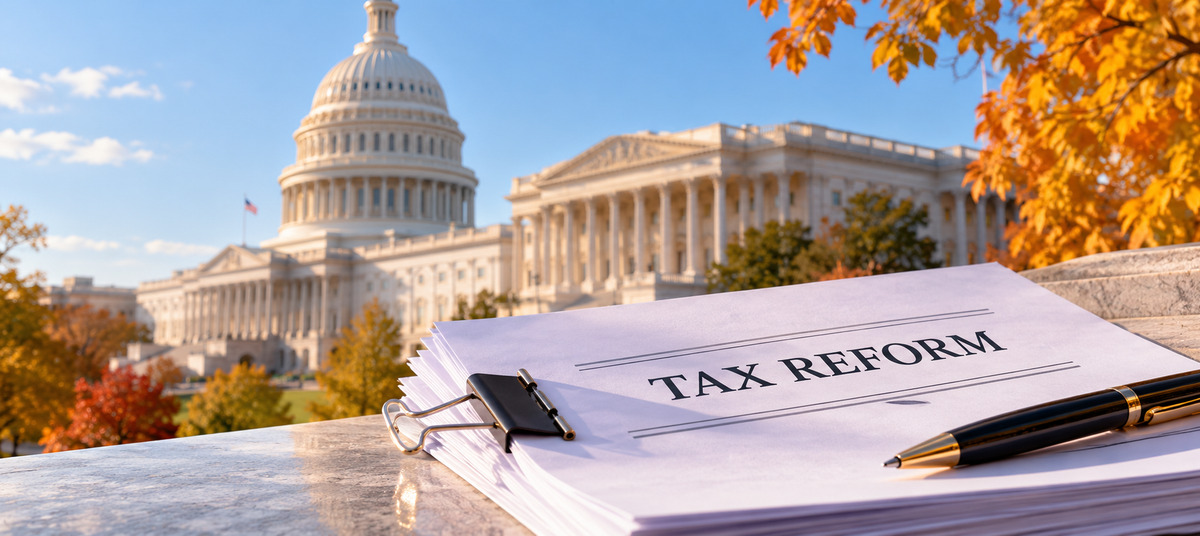
Capitol Hill has maintained a relative lull regarding major tax debates in recent months, but that quiet period does not signal that federal lawmakers have finished their work for 2026. Following substantive tax legislation in 2025, Congressional focus naturally redirected toward statutory implementation, upcoming elections, routine federal budget negotiations, and competing legislative priorities. With congressional campaigns underway, the broad consensus in Washington favored administrative oversight over sweeping updates to the tax code.
Attention is now turning toward the upcoming lame-duck session—the critical timeframe occurring right after the November midterm elections and before the newly elected Congress officially convenes in January. While another expansive overhaul of the tax code remains improbable, business leaders and tax practitioners are closely monitoring whether lawmakers will leverage these final legislative weeks to advance a modest collection of tax measures, technical updates, and procedural taxpayer-service reforms.
Understanding the Mechanics of a Lame-Duck Legislative Session
Every two years, national elections take place in November, yet newly elected representatives and senators do not assume office until early January. During the intervening weeks, the sitting Congress retains full constitutional authority to conduct legislative business through the official conclusion of its term. This transitional legislative window is known as a lame-duck session.
This year's lame-duck period carries unique significance because several pressing fiscal decisions await lawmakers upon their return to Washington. The current stopgap measure funding the federal government is scheduled to expire in December. Consequently, lawmakers must re-enter appropriations negotiations prior to year-end, creating a traditional vehicle where targeted tax items can be attached to broader, must-pass spending packages.
Why a Massive Tax Overhaul Is Off the Table
Any potential tax legislation moving through Congress late this year will look substantially different from the expansive "tax extender" bills of prior legislative cycles. A primary reason for this reduced scope is that relatively few major temporary tax provisions remain on the brink of expiration.

Statutory modifications introduced by the Tax Cuts and Jobs Act, alongside subsequent tax enactments, codified several rules permanently or reconfigured their statutory sunset dates. Highlighting this shift, Marc Gerson—former House Ways and Means majority tax counsel—recently noted in Tax Notes that any 2026 extenders package will naturally be far more constrained in size than historical precedents. Whether even a scaled-down measure moves forward will depend heavily on post-election political dynamics and member attendance in Washington.
Targeted Tax Measures Currently Under Consideration
Rather than revisiting fundamental framework changes for corporate or individual income tax rates, current congressional discussions center on a smaller collection of highly focused updates. These include specific traditional tax extenders, technical corrections to previously enacted statutes, refined digital-asset tax rules, and operational changes designed to streamline IRS procedures for taxpayers and tax professionals alike.
One notable administrative effort has already gained significant legislative traction. On September 30, the Senate unanimously passed the Taxpayer Assistance and Service (TAS) Act, a bipartisan legislative package supported by the AICPA containing 65 distinct provisions. As highlighted in coverage by the Journal of Accountancy, the act aims to modernize IRS technology infrastructure, strengthen formal taxpayer rights, and enhance overall tax administration. The bill now awaits consideration by the House of Representatives when members return in November, placing it squarely on the lame-duck agenda.
Bipartisan Precedent for Targeted Tax Relief
Recent legislative actions demonstrate that targeted, non-controversial tax legislation can still clear a divided Congress. In September, President Trump signed into law the Doug LaMalfa Federal Disaster Tax Relief Certainty Act, which extended favorable tax treatment for qualified disaster losses and wildfire relief payments.

This relief measure passed the House via voice vote and cleared the Senate by unanimous consent. While this does not guarantee smooth passage for other tax proposals, it illustrates that consensus remains achievable for specific, narrowly tailored tax relief proposals even when broader legislative appetite for sweeping changes is minimal.
Competing Fiscal Priorities in December
Tax proposals will not be the sole priority vying for limited floor time during the lame-duck session. Lawmakers face a crowded legislative calendar before the current federal budget agreement expires in December. In addition to government funding extensions, Congress must address defense authorizations and other statutory obligations.
Furthermore, discussions continue regarding potential adjustments to the federal debt ceiling before the end of the term. Consequently, proposed tax modifications will represent just one element of a broader year-end legislative package. The eventual enactment of specific tax items may depend as much on high-level negotiations around government spending as on the merits of the tax policies themselves.
Strategic Year-End Planning Considerations for Businesses and Individuals
For small business owners and taxpayers, proactive monitoring is essential. While there is no major sweeping tax bill that requires immediate structural shifts today, proposed provisions remain fluid and could evolve or stall before final adjournment.
However, taxpayers should not assume that the statutory tax provisions active on Election Day will represent the final rules for the 2026 tax year. Late-year legislative decisions routinely introduce retroactive adjustments or procedural changes that impact filing season preparation. Even minor, highly targeted fixes can alter available deduction thresholds, compliance reporting requirements, or procedural deadlines.
Partnering With Christiansen Accounting for Year-End Clarity
Navigating potential legislative changes requires vigilant oversight and clear strategic direction. Staying aligned with experienced tax professionals ensures your business remains prepared for any late-breaking adjustments passed during the lame-duck session. Contact Christiansen Accounting today to review your year-end tax planning strategy and keep your financial roadmap on track.
Want tax & accounting tips and insights?
Sign up for our newsletter.