Proposed Federal Film Tax Credit: How a 30% Incentive Could Impact U.S. Production
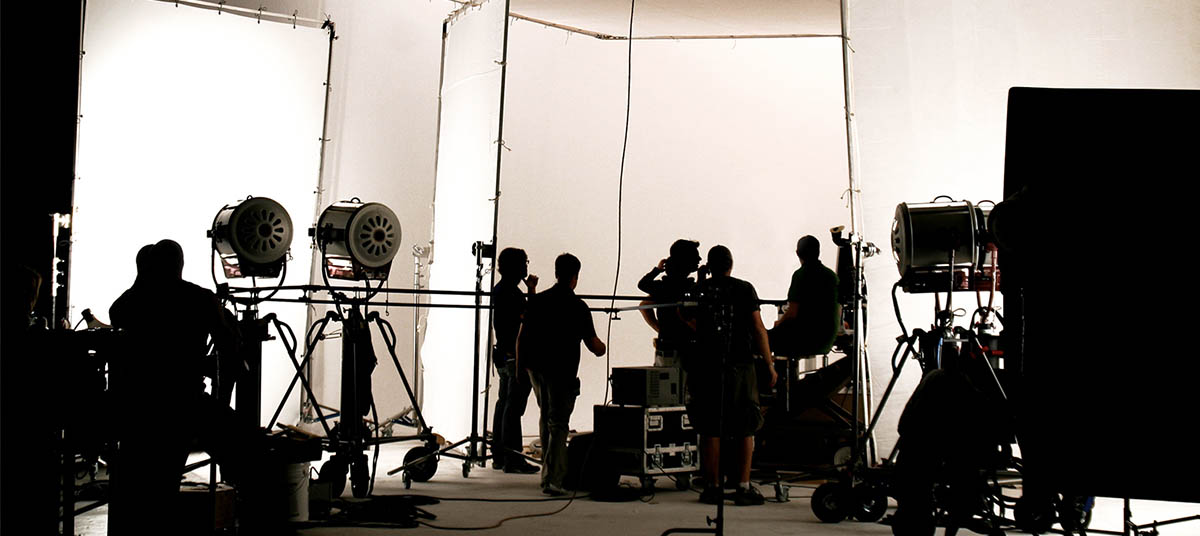
For years, the American entertainment sector has watched film and television projects move overseas to capture lucrative foreign tax incentives. To keep domestic production competitive, a bipartisan coalition of federal lawmakers is offering a federal solution to encourage filming within the United States.
Lawmakers from both parties have introduced the Motion Picture, Television, and Entertainment Revitalization Act. This proposed legislation would establish a brand-new federal tax incentive structured specifically for eligible film and television projects produced domestically.
Under the proposed framework, eligible projects start with a 20% credit on qualifying U.S. labor costs, with potential tier additions pushing the total benefit up to 30%. While heavily tied to entertainment hubs like California, legislative sponsors emphasize that the measure functions as a broader economic and small-business stimulant.
How the Proposed Federal Film Tax Credit Works
According to the House version of the bill, qualified film and television productions would be granted a baseline credit worth 20% of qualified labor compensation paid for work conducted inside the United States.
To secure eligibility, a production must generally incur total production expenses exceeding $1 million. Additionally, at least 75% of the project's principal photography days must take place within the United States.
The definition of qualifying labor extends far beyond on-camera talent. The legislative language explicitly covers compensation paid to directors, producers, screenwriters, camera operators, set designers, lighting and audio technicians, makeup artists, film editors, visual effects specialists, and various support personnel. Furthermore, qualifying expenses encompass both pre-production and post-production technical services.

Incentive Boosts: Reaching the 30% Maximum Credit Rate
The standard 20% credit serves strictly as the base calculation.
The legislation includes several stacked incentive mechanisms that can add five percentage points each, capped at a maximum combined credit rate of 30%.
Bonus tiers are made available for qualifying independent projects as well as productions that conduct significant filming inside rural Opportunity Zones or designated federal disaster areas. Additional percentage increases apply to projects that scale domestic production activity or shoot across multiple states. Furthermore, visual effects and post-production activities receive targeted qualification rules designed to counteract the migration of technical jobs overseas.
Understanding the Congressional Push for Federal Production Credits
The proposal comes as international competition for production budgets intensifies. Overseas hubs, including Canada, the United Kingdom, and Australia, maintain aggressive financial incentives that lower overall production costs relative to domestic filming.
Data cited by the Los Angeles Times indicates that 45% of U.S. feature films and scripted television series were shot outside the country last year—a notable increase from roughly one-third recorded in 2022.
Although individual states such as California, Georgia, New York, and Louisiana offer robust state-level production credits, lawmakers note that state programs operating alone cannot fully match national subsidies offered by foreign governments.
Economic Reach Beyond On-Screen Talent
Advocates for the bill highlight that bringing production back to the United States directly benefits behind-the-scenes crews and local business ecosystems.
A typical film or television project relies on extensive trades and service providers, including carpenters, electricians, costume technicians, makeup personnel, vehicle drivers, construction workers, and catering staff. Moreover, production spending flows directly into regional economies through local hotels, dining establishments, equipment rental firms, hardware vendors, and transit providers.
This wide economic impact explains the broad geographic backing in Congress. Initial Senate sponsors hail from South Carolina, California, Texas, and Georgia, while House co-sponsors include representatives from Texas, California, Georgia, Tennessee, Ohio, and New York. Legislative momentum has expanded since introduction, with additional senators from both political parties adding their endorsement.
Qualified Content and Excluded Programming Types
The proposed tax break would not apply universally across all media production.
The bill limits eligibility strictly to commercial movie and television content. Explicitly excluded categories include news broadcasts, live athletic events, talk shows, game shows, award ceremonies, and standard social media content. Additionally, commercial advertising, promotional campaigns, fundraising media, and internal corporate or institutional projects are disqualified.
If passed in its current form, the credit would become available for qualifying productions beginning principal photography in tax years starting after December 31, 2026.
Legislative Outlook and Tax Planning Considerations
While the proposal has generated significant interest, its legislative outcome remains pending. Introduced on September 24, the measure enjoys bipartisan sponsorship in both chambers alongside public support from President Trump, who requested federal film incentives. Proponents aim to advance the bill during the post-election congressional session.
Because the tax credit remains prospective legislation, taxpayers and production companies cannot claim it today. The bill's specific terms could undergo substantial revisions prior to enactment, or fail to gain final passage.
If enacted, a federal production credit of 20% to 30% on labor costs would mark a significant shift in U.S. tax policy for the entertainment sector. We will continue monitoring this legislation as it develops in Congress. Contact Christiansen Accounting to evaluate your business tax planning strategies and stay ahead of pending legislative changes.
Want tax & accounting tips and insights?
Sign up for our newsletter.